


Warning of Gas Pressure Drop in Three Northern Provinces This Winter
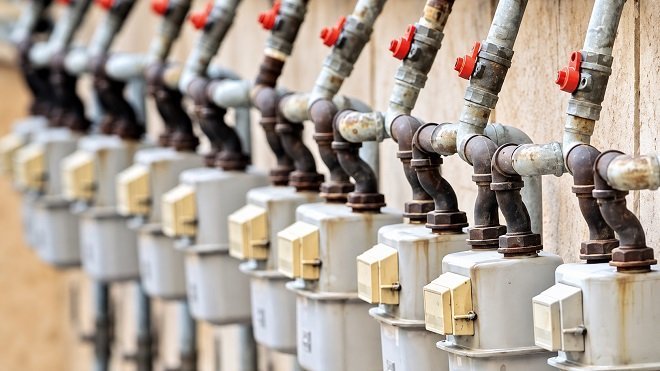
A member of the Energy Commission of the Islamic Consultative Assembly (Majlis) has warned of a possible drop in gas pressure across Mazandaran, Golestan and North Khorasan provinces during the coming winter, stating that alternative fuel has been planned for these regions. At the same time, a program to supply 4.1 million standard heaters to reduce gas consumption has been put on the agenda. According to Iran Jib, Jalil Mokhtar, referring to numerous meetings on winter fuel supply, stressed that given the condition of the gas distribution network, there is a possibility of gas pressure drops in some northern provinces of the country.
Alternative Fuel Planned for the Northern Provinces
According to Mokhtar, Mazandaran, Golestan and North Khorasan — because of their geographic location and their position within parts of the gas transmission network — may face constraints in stable gas supply on the coldest days of the year. He said the National Iranian Gas Company, together with the provincial governor’s offices, has placed the necessary technical and operational measures for managing winter conditions on its agenda, and that operational plans must be in place for a range of scenarios, from normal conditions to critical situations.
The lawmaker emphasized that, alongside the measures taken by the National Iranian Gas Company, demand management by household subscribers is also of great importance in preventing pressure drops and gas outages, and that planning for alternative fuel is one of the precautionary steps to reduce the potential consequences of gas constraints in these regions.
Claim of 3% Gas Loss Through Unauthorized Extraction
Mokhtar also warned about theft of gas from the transmission and distribution network, saying estimates indicate that at least 3% of the country’s gas is lost through unauthorized extraction. According to him, part of these violations occurs in the outskirts of cities and in areas such as Damavand, Firuzkuh and the surrounding counties, and some of the illegally extracted gas is used to generate electricity and to run cryptocurrency mining equipment.
He pointed to the discovery of 365 mining devices in the Eshtehard area, which were operating using 2 generators and an unauthorized connection to the gas network. Citizens can report suspected cases of unauthorized gas extraction through the 194 hotline.
Supplying 4.1 Million Standard Heaters
Another program to reduce gas consumption is the replacement of old heaters with high-efficiency equipment. Based on figures announced by the National Iranian Gas Company:
- So far, 171,000 high-efficiency heaters have replaced worn-out equipment.
- Compared with traditional models, these heaters consume on average 466 cubic meters less gas per year.
- Under a resolution of the Economic Council, the groundwork has been laid to supply 4.1 million standard heaters.
- Delivery capacity for this equipment has reached 150,000 units per month, with schools and mosques given priority for installation.
Annual Savings in Gas Consumption
Taking into account an average saving of 466 cubic meters per heater, replacing 171,000 units could — if the announced performance is achieved — generate annual savings of about 79,686,000 cubic meters of gas. If the full program to replace 4.1 million heaters is implemented, the theoretical annual saving capacity would reach roughly 1.9 billion cubic meters; the actual figure, however, depends on how the equipment is used.
Economic Incentives to Reduce Consumption
The member of the Majlis Energy Commission also reported the development of economic mechanisms to encourage reduced energy consumption. According to him, companies active in the efficiency field can receive energy-saving certificates in return for reducing consumption. Mokhtar put the sale value of each cubic meter of saved gas under this mechanism at 85,000 tomans, and described the development of smart systems and the use of consumption data as requirements for the successful implementation of efficiency programs.
70% of Household Gas Consumption Goes to Heating
According to Mokhtar, around 70% of the gas consumed by the household sector is used for space heating. He stressed that sealing doors and windows, using double-glazed windows and properly setting the temperature of heating equipment can reduce gas consumption. Setting the water temperature of combi boilers and boiler rooms in the range of 55 to 60 degrees Celsius — in line with the condition of the building and the equipment’s instructions — is another of the proposed measures for managing consumption.
Will Gas Be Cut Off This Winter?
The remarks by the member of the Majlis Energy Commission do not mean that restrictions or gas cut-offs in the northern provinces are certain; rather, they are a warning about the possibility of pressure drops under conditions of sharply rising winter demand. Nonetheless, the planning of alternative fuel and the implementation of consumption-reduction programs show that officials are already planning to manage potential pressure on the gas network in the winter of 1405 SH (2026–27). The stability of the gas network in the cold months of the year will depend on factors such as the severity of the cold, the level of household consumption, the state of gas production and transmission, and the implementation of demand-management programs.
Images
Toka Energy Pars (TEPCO), as a company active in the field of energy and consumption optimization, follows and publishes news and developments in the country’s gas and energy industry.