


Mazut Burning at Shahid Rajaee Power Plant: High Sulfur and Qazvin’s Air Pollution

In recent winters, reports have pointed to heavy mazut (heavy fuel oil) burning at the Shahid Rajaee power plant, even after a cabinet resolution halted mazut burning at three other plants: Arak, Karaj and Isfahan. According to a report by Iran’s Department of Environment in Aban 1404 SH (October–November 2025), the mazut used at the plant at times contained up to 29,612 mg/kg of sulfur.
What Is Mazut and Why Is It So Polluting?
Mazut is a cheap but highly polluting fuel with a high sulfur content. Burning it releases large amounts of:
- Sulfur dioxide (SO₂)
- Particulate matter (PM)
- Other toxic pollutants
The Situation at Shahid Rajaee
Satellite images and field reports describe persistent black smoke affecting surrounding areas such as Abyek, Mohammadiyeh, Mehregan and even parts of Karaj.
Disputed Sulfur Figures
The quality of the mazut being burned is one of the main concerns:
- Department of Environment report (Aban 1404 SH): sulfur content at times reached 29,612 mg/kg, described in reports as “roughly 592 times the permitted limit”. That comparison is based on the 50 mg/kg limit for Euro 4 diesel; the national standard for mazut is a maximum of 0.8% by mass.
- Plant public relations: rejected the claim, stating that the sulfur content of its mazut is usually around 2.6% (about three times the standard), not 592 times.
Even this level, however, causes heavy pollution. (Source: Tabnak, in Persian)
Low-Sulfur Mazut: A Partial Measure
In autumn 1404 SH (2025), the plant announced it had stored more than 32 million litres of low-sulfur mazut (below 1%) to reduce emissions. Recent reports, however, indicate that a 50/50 blend of low-sulfur and regular mazut is still being burned.
Environmental and Health Impacts
Heavy mazut burning is the main factor behind worsening air pollution in Qazvin and nearby areas. It leads to:
- Higher levels of airborne particulate matter
- Acid rain
- Respiratory and cardiovascular diseases, and even cancer
Official Positions
The Director-General of Qazvin’s Department of Environment has stressed that this is a national issue and that efforts to switch fuel or install filters have so far been unsuccessful. The government has called mazut burning “producing poison” and said it prefers targeted power cuts to more pollution.
Images
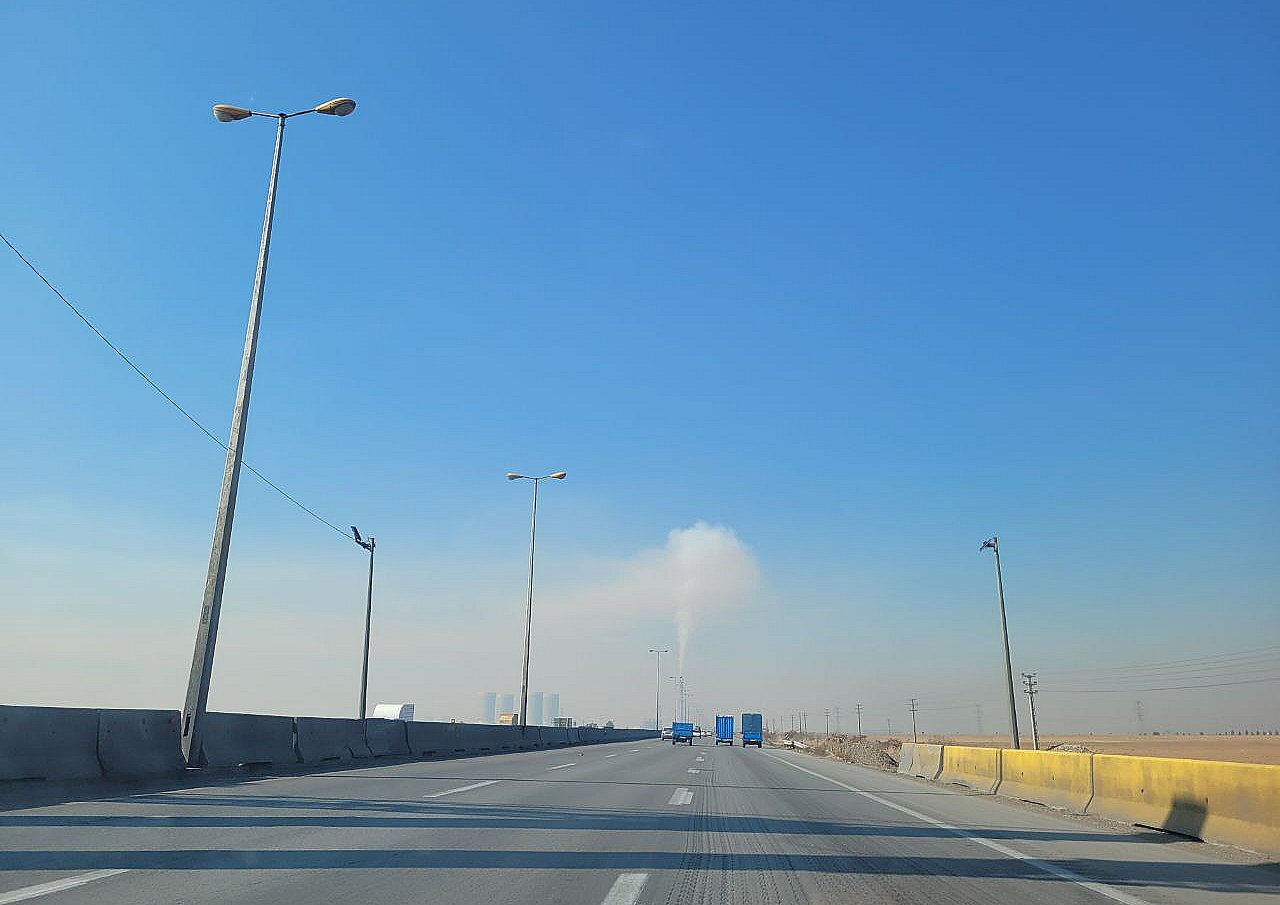
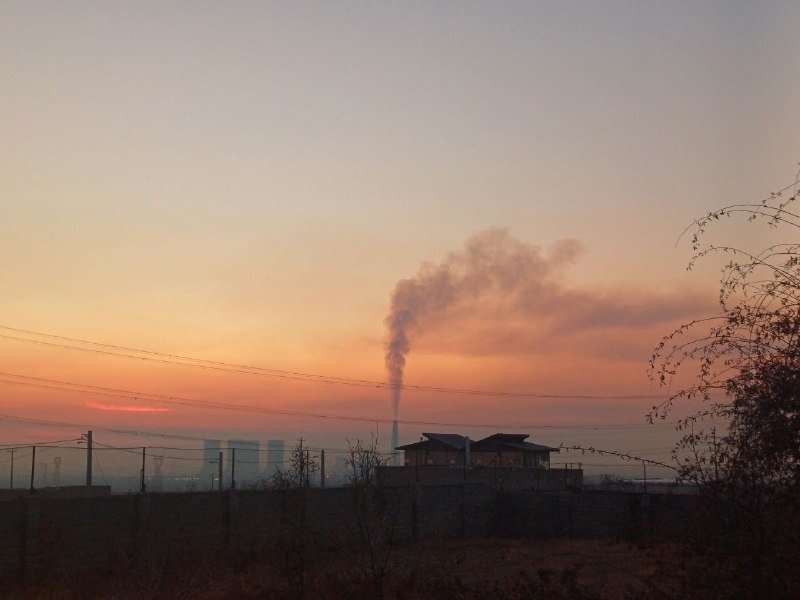
As a company active in environmental protection and industrial emission reduction, TEPCO follows developments in fuel use and emissions at Iran’s power plants.